Some tips for your IG content approach.
* This article was originally published here
Some tips for your IG content approach.
If you feel like acquiring new customers is harder than ever, you’re not alone.
Across industries, both B2B and B2C companies are seeing longer sales cycles, declining website traffic, and intense competition.
Something has shifted, and companies that don’t adapt are feeling the impact.
In this episode, Alex Winter sits down with Marcus Sheridan, bestselling author, keynote speaker, and partner at IMPACT, to break down why businesses are struggling to close deals in today’s market—and more importantly what they can do to fix it.
So, why is it getting harder to close deals and what can businesses do right now to win more customers and build long-term trust? Let’s get into it.
“96% of sales and marketers see sales and marketing friction as a persistent challenge,” Alex notes at the start of the conversation. That’s nearly every company.
Marcus doesn’t hesitate. “One of the biggest trends we’re seeing? Decision-makers are taking longer to make decisions.”
That alone is causing deals to stall, but that’s just the tip of the iceberg.
He breaks it down into five major reasons why businesses are struggling to close deals today:
Buyers are more hesitant, cautious, and risk-averse. They’re taking their time, doing deeper research, and waiting longer before making a purchase decision.
This shift is largely due to increased access to information. Customers don’t need to rely on salespeople as much as they used to—they can gather insights from online reviews, competitor comparisons, and AI-powered search results. By the time they talk to a company, they’ve already formed strong opinions.
If your business isn’t proactively answering their questions before they reach out, you’re already behind.
If your website’s traffic has dipped, you’re not alone. Google’s algorithm changes and the rise of AI-powered search is making it harder for businesses to get organic visibility.
Marcus explains, “Used to be, you’d do a Google search, click on a blue link, and go to a company’s website. Now? Not so much.”
Google’s AI results, knowledge panels, and featured snippets are keeping users on Google rather than sending them to websites. Add to that the dominance of social media platforms, where users engage with content without ever clicking through, and businesses are struggling to drive organic traffic.
Every market is crowded. More businesses—both new and established—are competing for the same audience. And when supply is high but demand is steady, pricing wars break out.
“Companies are slashing prices just to stay in the game,” Marcus points out. “But competing on price alone is a losing strategy.”
Instead, businesses need to focus on what makes them different—not just cheaper. The companies winning today aren’t necessarily the cheapest.
They’re the ones offering more trust, transparency, and value upfront.
The way companies market themselves has changed, yet many are still operating under an old-school mindset—especially those that outsource all their marketing to agencies.
“The traditional marketing agency model is becoming less effective,” Marcus says bluntly.
Why? Because agencies don’t have the deep, inside-out knowledge of your company, product, and customer experience that your own team does.
If marketing is entirely outsourced, it often becomes generic, misaligned with sales, and disconnected from actual customer pain points.
Businesses that own their marketing in-house—by training internal teams to create valuable content and engage directly with customers—see better results than those that hand off all responsibility to an agency.
It’s louder than ever online. With more businesses producing content and AI making it easier to generate marketing materials, it’s getting harder for brands to cut through the clutter.
“If no one knows who you are—or they don’t trust you—your marketing efforts won’t matter,” Marcus emphasizes.
Building a strong brand today isn’t just about being visible. It’s about being known and trusted. If your content doesn’t answer real customer questions, take strong stances, or provide meaningful insights, you’ll just blend in with the noise.
The big takeaway? Traditional marketing and sales strategies aren’t working like they used to.
The companies winning today are taking control. They’re creating valuable content in-house, answering customer questions with radical transparency, and embracing the shift toward trust-based marketing and sales.
If your business is still playing by old rules, it’s time to change the game.
If you feel like marketing strategies that worked five years ago are suddenly falling flat, you’re not imagining things. Buyers today are radically different from those in the past.
And if your business hasn’t adapted to meet these changes, you’re already losing customers to competitors who have.
Marcus breaks it down into these 4 buckets:
Patience is in short supply these days.
“We’ve all been conditioned by instant gratification,” Marcus explains. “We don’t want to wait. We want answers now.”
Think about the last time you were researching a product or service. Did you sit through a long sales pitch? Or did you try to find the information yourself as quickly as possible?
Buyers today expect companies to provide transparent, upfront information—without making them jump through hoops.
That means if your website forces people to schedule a call just to get basic pricing info, or if they have to dig through pages of generic content to find an answer, they’ll leave and go somewhere else.
Most buyers don’t start their journey by reaching out to a salesperson.
“More than 80% of the buyer’s journey is completed before they even reach out to a company,” Marcus explains.
In other words, by the time someone fills out a contact form or books a demo, they’ve already done their homework.
They’ve read reviews. They’ve watched YouTube videos. They’ve checked out competitors.
If your website and content aren’t helping them with that research—answering their real questions, addressing their concerns, and providing the insights they need—you’re missing the biggest opportunity to influence their decision.
Buyers want to be in control of their experience.
Think about it: When was the last time you wanted to talk to a salesperson before you were ready?
Probably never.
“If people can’t get information without talking to a salesperson, they’ll move on,” Marcus says.
This is why self-service tools—like pricing calculators or interactive product configurators—are becoming a staple.
Instead of forcing potential customers to call or email for information, businesses that provide on-demand access to pricing, product details, and answers are winning more deals.
If you feel like a lot of marketing content today sounds robotic and generic, you’re not alone.
Marcus says, “It’s bland, soulless, and lacks real opinions.”
AI-generated blogs and formulaic corporate messaging have flooded the internet with uninspiring, forgettable content. And buyers can tell.
The companies that stand out are the ones that tell compelling, honest stories. The ones that have a personality, take a stance and help their audience.
If your content sounds like it was written for a business instead of real people, it’s time to rethink your approach.
So what can companies do to build trust, win more customers, and future-proof their business?
It all comes down to becoming a known and trusted brand.
Buyers today don’t just want another sales pitch. They want confidence that they’re making the right choice.
That means companies that lead with trust, transparency, and real value will have the edge.
Marcus introduces a simple but powerful framework from his new book, Endless Customers, built around four core pillars that every business must master.
Most companies avoid discussing the topics buyers actually care about. The ones that tackle them head-on build trust faster.
Marcus calls these The Big Five—the top five topics customers obsess over when making a purchase:
If your company isn’t addressing these topics, you’re missing out on leads every single day.
“More than 80% of time spent online is with video,” Marcus says. “And that number is only going up.”
Most businesses, however, don’t use video effectively.
Marcus introduces The Selling 7, a framework for the seven types of videos that drive the most leads and sales. One of the easiest wins?
Landing page videos.
Adding a short video next to your website forms explaining what happens after someone fills it out can double conversion rates.
“Most companies don’t do this,” Marcus says, “but it’s one of the simplest ways to increase leads overnight.”
A mind-blowing stat: 75% of buyers would prefer a seller-free sales experience.
That doesn’t mean salespeople are irrelevant—it means buyers want control over the process.
One of the best ways to adapt? Self-Service tools.
Marcus shares a powerful example: A home improvement company was struggling to generate leads. By adding a self-pricing tool on their website, they saw an explosive increase—from 200 leads per month to 700. That translated to millions in additional revenue.
The lesson? The easier you make it for buyers to self-educate and move forward on their terms, the more sales you’ll close.
Technology is evolving fast. AI is becoming more common in sales and marketing, but many companies use it the wrong way—making their brand feel robotic and impersonal.
Marcus argues that the smartest companies will use AI to enhance their humanity, not replace it.
For example:
Buyers trust brands that feel real, personal, and authentic.
Most industries are filled with businesses playing it safe—sticking to the same old playbook, avoiding risks, and doing things the way they’ve always been done. But the real winners?
They break the rules.
They challenge the status quo.
They innovate.
Marcus sums it up perfectly, “Leaders get lazy. Then someone comes in and breaks the rules. The market likes it. The rule breaker becomes the new leader.”
If you want endless customers, the solution is clear. You must be willing to:
Disrupt your industry by doing what no one else is willing to do.
Do that, and you’ll win more trust, close more deals, and future-proof your business
Marcus Sheridan is a writer, speaker, and business expert who’s worked with companies all over the world. Marcus is the author of Endless Customers and They Ask, You Answer.
Connect with Marcus on LinkedIn
Learn more about Endless Customers

Some handy tips and insights to help set up TikTok marketing campaigns.
We've all been there: You're ready to make a purchase online when you hit the dreaded product/service page and you're met with nothing but a grainy photo and two lines of description. Left with dozens of questions and zero answers, you're stuck guessing whether this product or service is actually what you need.
Did you feel confident making a purchase based on those two things?
Probably not.
When it comes to making a purchase—big or small—you want to ensure the product or service meets your needs. You want to see how something fits into your life before committing.
That’s where visuals come in—and not just any visuals, but engaging, dynamic content that helps you understand the product or service better.
What would’ve made you way more confident making that purchase than just a photo?
You guessed it—video.
Video has become an undeniable force in how we consume information and make decisions. Today, over 82% of all internet activity comes from video, with the average person spending 19 hours a week watching online videos. Whether browsing social media, researching on YouTube, or exploring product pages, buyers rely on video to inform their decisions.
For businesses, this shift highlights an important truth: Video content isn’t just an optional marketing tool—it’s essential. It’s the most effective way to connect with your audience, showcase your expertise, and help potential customers decide if your product or service is the right fit.
Among the most effective video strategies is The Selling 7, a set of seven critical video types designed to address key questions and concerns throughout the buyer’s journey. One of the most impactful of these is the Product/Service Video.
This video type allows businesses to educate buyers thoroughly, enabling them to make informed decisions in a dynamic and engaging way that text and photos simply can’t match.
🔎 Related: The Selling 7: sales and marketing videos guaranteed to get results [+VIDEO]
In a recent survey, 87% of people said they would purchase after watching a brand video. Clearly, these videos are powerful. But what makes a great product/service video? Let’s break it down.
A product/service video is a concise, 3–5-minute overview designed to help potential buyers quickly understand the essentials of what you offer.
Its purpose is simple: To show people the ins and outs of what you have to offer, allowing buyers to see how it could work for them—or, more importantly, how it might not.
To achieve these, a great product/service video answers these three questions:
Let’s take a closer look at each of these questions and what needs to be covered.
A great product or service video goes beyond listing features. It creates a memorable experience that informs, engages, and builds trust.
For products, this means demonstrating how they work, highlighting features, and reviewing technical specifications in a straightforward, digestible way. For example, show the product being used in real-life scenarios that your audience can relate to.
For services, you can go a step further by showing footage of your team in action, whether that’s completing a task or interacting with clients. Focus on potential outcomes and deliverables while reinforcing these with visuals of satisfied customers.
This is your opportunity to spotlight your offering with stunning visuals and relatable storytelling—whether it’s a sleek shot of your latest gadget or a personable introduction to your key team members. By talking directly to potential buyers and showing your face and voice, you establish a personal connection.
This is one of the most essential questions to answer in your video. Clearly define your ideal customer and just as importantly, explain who your product or service isn’t a good fit for.
By addressing this head-on, you can help viewers self-qualify, ensuring they move forward with confidence—or realize it’s not a fit, saving your sales team time and energy. Clearly explain the ideal circumstances where your offering excels, and be honest about situations where it might fall short.
For example, explaining that your service isn’t suited for those looking for the lowest price ensures your sales team spends less time with ill-fitting leads and more time with the right prospects. This transparency not only streamlines the buying process but also fosters trust, as viewers feel respected and informed rather than pressured.
Your product or service video should include a clear and honest discussion of pricing. You don’t need to give the exact cost, but you should give your buyers a range in terms of what they can expect to spend. Addressing cost not only shows transparency, but it ensures your audience knows whether it aligns with their budget before reaching out.
Tip: Before ending the video, always include a clear call-to-action (CTA). Whether it’s booking a consultation, how to purchase the product, or exploring additional resources, guide viewers to the next step in their journey.
When creating this type of video, it’s easy to fall into some common traps that can dilute your message or overwhelm your audience. Let’s dive into these pitfalls, starting with a real-life example:
One of our clients—a passionate CEO and subject matter expert—took the lead on their product video. They knew their product inside and out and wanted to share every detail. The result? The first cut was over nine minutes long! While the information was comprehensive, it was far too much for a potential customer to absorb in one sitting.
The feedback we gave was simple, “Think about the point where someone starts to lose focus or disengage while you’re explaining something—that’s where you stop.”
Viewers only have the capacity to absorb so much information at once. A product or service video isn’t about sharing every detail; it’s about showing the tip of the iceberg to help the viewer make an informed decision. Remember, to guide your audience throughout your website to help them find the answers to all of their questions.
Here are a few other mistakes we see companies make:
Now, let’s take a look at some companies that have outstanding videos.
AV Architects + Builders is a custom home design and build firm based in Northern Virginia. They specialize in crafting luxurious, modern homes that blend indoor and outdoor living seamlessly. Their focus is on creating unique spaces for upscale buyers who seek premium, customized homes, often exceeding $1 million in value.
This video is a masterclass in tailoring a message to its target audience. AV Architects + Builders has a distinct, sophisticated style that aligns perfectly with the tastes and expectations of luxury homebuyers in the Northern Virginia and Washington, D.C., markets. The video’s polished and professional approach reflects the elegance of their brand, resonating deeply with their high-end clientele.
The messaging is clear and purposeful, helping viewers quickly determine whether AV Architects + Builders is the right fit for them. It defines good-fit and bad-fit clients, ensuring prospective buyers can see themselves—or not—in the experience the firm offers. The cinematography is stunning, with professional lighting, framing, and beautiful shots of their custom homes, effectively showcasing their expertise and craftsmanship.
While the format may not be groundbreaking, its execution is exceptional.
A cohesive point of view and high production value make the video stand out. Every detail, from the visuals to the tone, is designed to appeal to a discerning audience. The sophistication and refinement of the video mirror the aspirations and values of their target clients, offering a seamless representation of what it’s like to work with AV Architects + Builders.
The result is a video that doesn’t just communicate what AV Architects + Builders does—it speaks directly to the aspirations and values of their ideal customers.
Shasta Pools is a custom pool builder based in Phoenix, Arizona. They specialize in designing, building, and servicing custom swimming pools and outdoor living spaces, helping Arizona homeowners create their dream backyard oasis.
Although it’s too early to measure the results of Shasta Pools’ video, as it was posted only a few weeks ago, it already stands out in several ways.
The video excels at clearly defining who is a good fit for their services and who isn’t, helping to set accurate expectations for potential customers and saving time for everyone involved.
Additionally, the video’s fast-paced nature keeps viewers engaged without feeling rushed. This quick tempo allows Shasta Pools to deliver a substantial amount of information in a short amount of time while maintaining clarity and preventing the audience from feeling overwhelmed.
This video also highlights the importance of persistence in the video creation process. You might not know it, but this was their featured SME’s second video!
Initially nervous and hesitant about being on camera, she gained confidence after seeing how the first video turned out. This newfound comfort and willingness to participate add authenticity and relatability to the content, making it more impactful. Reluctance to be on camera is a common challenge many face, but her shift in perspective demonstrates how seeing a polished, well-executed final product can boost confidence and enthusiasm.
While her presence on camera is still evolving, her improvement and growing comfort are evident. The video captures a genuine and approachable energy, which resonates well with the audience.
Strouse, a Maryland-based adhesive tape converter, specializes in creating custom adhesive solutions for industries ranging from healthcare and automotive to electronics and aerospace. Known for their innovative approach, Strouse develops versatile adhesive products that solve complex joining, mounting, and bonding challenges across diverse applications.
What makes this video stand out? It effectively demonstrates the multiple applications of their solution, highlighting not only the versatility of their adhesive products but also how they meet specific industry needs.
The video combines high-quality visual B-roll elements with clear, concise narration, maintaining a well-paced flow that keeps viewers engaged. By showcasing real-world use cases and practical applications, it transforms an otherwise technical subject into an approachable and actionable resource.
Additionally, the video effectively communicates Strouse’s expertise and commitment to solving customer challenges. By integrating examples of their adhesive solutions in action and emphasizing their adaptability, the content builds trust and authority.
This video serves as a benchmark for creating content about solutions with multiple use cases. It shows how to present complex information in a visually appealing, well-structured, and customer-focused format, ensuring clarity and engagement.
CSI Accounting & Payroll, with offices in Minnesota and Maryland, serves small businesses nationwide by providing expert accounting, payroll, and tax solutions that simplify operations and drive growth.
They take a refreshingly creative approach to their videos, infusing their content with a unique style inspired by old detective films. Their videographer, Jordan, draws on his love for these classic detective movies, and it shows in every aspect of their video production.
The subject matter experts are typically filmed behind desks, with lighting and framing reminiscent of a detective’s office. Music and sound effects further enhance this theme, creating a distinctive tone that sets their videos apart.
This imaginative take transforms what could be a dry, technical subject into something intriguing and memorable. It’s not just about accounting anymore—it’s about uncovering mysteries and solving problems, much like a detective. This theme resonates with viewers, as accounting often involves the same investigative spirit: tracking down issues, auditing, and solving financial puzzles.
By putting a creative spin on an otherwise routine topic, CSI Accounting & Payroll has successfully established a distinct brand voice. Their videos not only engage their audience but also reflect their expertise and personality, proving that even industries considered "boring" can be brought to life with a little creativity.
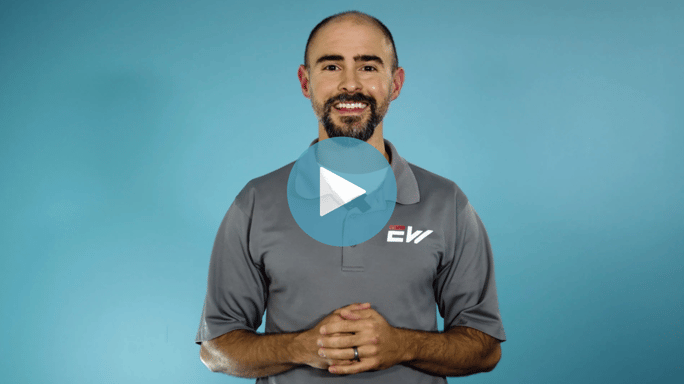
EW Motion Therapy, based in Alabama, is a trusted leader in physical therapy and wellness, dedicated to helping individuals improve their movement and overall health. With a focus on customized care, they offer a range of services, including physical therapy, sports recovery, and fitness programs, all designed to empower clients to achieve their health goals.
Their personal training video stands out for its bold transparency about cost—an issue many fitness services shy away from addressing directly. By openly discussing pricing, EW Motion Therapy not only demonstrates confidence in their value but also builds trust with potential clients by addressing one of the most common concerns upfront. This openness sets the tone for a client-focused approach that prioritizes clarity and respect.
The video’s visual storytelling further amplifies its impact. Using thoughtfully selected B-roll, it highlights a diverse clientele, showcasing individuals from various age groups, fitness levels, and backgrounds. This inclusive representation allows viewers to see themselves in the program, making it feel more approachable and relatable.
Starting a fitness journey can be intimidating, but EW Motion Therapy’s video breaks down these barriers. With its welcoming tone, relatable visuals, and practical focus, it invites viewers to take the first step toward a healthier lifestyle with confidence and ease.
If there’s one takeaway I hope you leave with, it’s this: educational videos are no longer optional. They’re an essential tool for businesses aiming to streamline their sales process, foster transparency, and build lasting trust with their buyers.
Authenticity is what makes these videos work. Speak from the heart, as though you’re talking to a friend, and don’t hesitate to clarify who your product or service isn’t a good fit for. Buyers respect honesty and value businesses that put their needs ahead of making a quick sale.
If you’re hesitant to get started, now is the time to act. Waiting only costs you more time and effort engaging with unqualified leads. Video is more than just a tool—it’s a powerful way to educate your audience, reduce friction in the sales process, and establish your business as a trusted authority. Begin today, and you’ll soon see the rewards of a more informed, confident, and loyal customer base.


Key insights for marketers planning social media strategies at a time of upheaval.
AI is transforming content creation. It writes blog posts, generates images, and automates workflows. So, what about video? Can AI take over production entirely?
The answer: AI is an accelerator, not a replacement. The smartest brands aren’t choosing between AI and human creativity; they’re combining both to scale faster, produce more, and maintain authenticity.
When I first started incorporating AI into my video workflow, I was skeptical. Could a tool really save me hours of editing without making the final product feel robotic? But after using AI firsthand, I’ve seen how it can enhance, rather than replace, creativity.
In this article, we’ll unpack what AI can and can’t do for video, how businesses are using it to level up content production, and where AI in video is heading, especially for small and midsized businesses (SMBs).
AI has completely changed the way my team approaches video production. What used to take hours of manual editing, repurposing, and captioning can now be done in minutes, without losing quality.
Here are three tools that have completely transformed my workflow:
AutoPod: A Game-Changer for Editing
Opus Clip: Making Repurposing Effortless
Kapwing: AI-Powered Captions That Save Time
These AI tools save my team hours of manual work, taking care of tedious editing, captioning, and repurposing. That means we can spend less time on technical tasks and more time on what really matters; storytelling, branding, and audience engagement.
But efficiency alone doesn’t create great content. A powerful video isn’t just well-edited; it’s engaging, emotionally resonant, and strategically crafted. AI can handle the mechanics, but it still can’t replace the creativity, strategy, and trust that truly connect with an audience.
AI is a powerful tool, but production speed and automation don’t make a video great, storytelling does. The best videos connect with audiences on an emotional level, build trust, and reinforce a brand’s identity. And while AI can assist with technical execution, it struggles with the human elements that truly make content resonate.
At its core, video is about people, real experiences, real emotions, and real connections. No matter how advanced AI gets, it still can’t fully understand nuance, craft compelling narratives, or build relationships the way a human can.
Here’s where AI still falls short:
One of my most frustrating experiences with AI editing happened when I was working on a customer testimonial video. The AI tool trimmed out natural pauses, moments of hesitation, and even a deep breath before the customer delivered their most powerful line.
But those “imperfect” moments? That’s where the real connection happens. A slight pause before a statement adds weight. A subtle hesitation before a heartfelt answer makes it feel genuine. AI didn’t see that, it just saw a “wasted second.”
This is where human oversight is crucial. AI is great for speeding up the technical side of editing, but when it comes to storytelling that resonates, it still needs a human touch.
No matter how advanced AI gets, people connect with people. A testimonial, a brand story, or an emotional moment on camera can’t be replaced by AI avatars.
That said, AI avatars can be useful for specific use cases, like FAQs, onboarding, and internal communications—especially when scaling video content across teams. The key is to use them ethically and transparently so they enhance communication, not replace real human interaction.
AI can cut clips, but it doesn’t know what should be cut or how to ensure video content aligns with brand goals.
The best video content isn’t just fast or automated; it’s engaging, emotionally resonant, and strategically crafted. Businesses that thrive in this AI-driven landscape will be the ones that balance efficiency with creativity, using AI to scale while keeping human connection at the core.
I’ll be honest, when I first started using AI, I didn’t fully trust it. The first time I let AI take over editing a project, I was hesitant. I manually checked every cut, every transition, every caption.
But over time, I realized that AI wasn’t replacing my skills, it was giving me more time to focus on the creative decisions that really mattered.
Here’s how I’ve learned to integrate AI into my workflow without sacrificing quality:
AI is not here to replace creativity, it’s here to enhance and scale it. Businesses that integrate AI strategically will boost productivity, free up creative teams, and produce more impactful, human-centered content.
Creating video content isn’t just about showing up, it’s about making an impact. Video should build trust, engage audiences, and drive business growth. AI isn’t a replacement for human creativity, but it can be a powerful amplifier, helping brands scale their efforts while keeping content authentic and compelling.
When used strategically, AI allows businesses to create more video content, faster, and with greater efficiency, without sacrificing the personal connection that makes video so powerful. The key is balancing automation with human insight to maximize both productivity and authenticity.
To use AI effectively, businesses must align it with their broader content strategy, ensuring it enhances rather than replaces human creativity.
Here’s how:
By integrating AI thoughtfully, businesses can create new efficiencies without losing the human touch. The next step? Understanding where AI is headed and how it will continue shaping video production for businesses of all sizes.
For small and midsized businesses, AI is set to transform video production, making high-quality content more accessible, cost-effective, and scalable. As technology advances, AI will not only streamline workflows but also enhance the way businesses connect with their audiences.
What’s on the Horizon?
Businesses that embrace AI strategically will gain a competitive edge, outproducing their competitors, enhancing audience engagement, and scaling their content efforts efficiently. The key to success lies in leveraging AI as a partner in creativity, rather than a replacement for human storytelling.
AI hasn’t taken my job, it’s made me better at it. I’ve gone from spending hours on tedious tasks to focusing on what really matters—telling better stories, refining creative direction, and engaging audiences more deeply.
The future of video doesn’t belong to AI alone. It belongs to businesses that embrace AI as a creative amplifier, scaling smarter, engaging deeper, and building trust at every touchpoint.

Another way to encourage engagement in the app.
Meta’s Twitter clone continues to gain momentum.
A simple, but handy addition for Threads.
Top Voices will now be subject to regular reviews.
A look at how people from different nations feel AI will impact the workforce.
A new automated ad offering to help boost product sales on TikTok.
Users will be able to access info on top-performing posts, follower growth and more.
Meta's path to AR glasses could be a key consideration in its latest strategic shifts.
TikTok is available in the U.S. for now, but it's not in the clear yet.
Here’s how to incorporate social listening into your social media strategy in cost-effective, scalable ways.
Your IG profile has a new look, and more changes are coming.


